
Pharmaceutical Export to Djibouti from India
Djibouti is an important pharmaceutical market in the Horn of Africa, with demand across essential medicines, general healthcare products and specialized pharmaceutical formulations. India has a strong position in the Djibouti pharmaceutical trade. According to WITS data, India exported approximately US$23.17 million of pharmaceutical products to Djibouti in 2025, ranking first among the listed exporters.
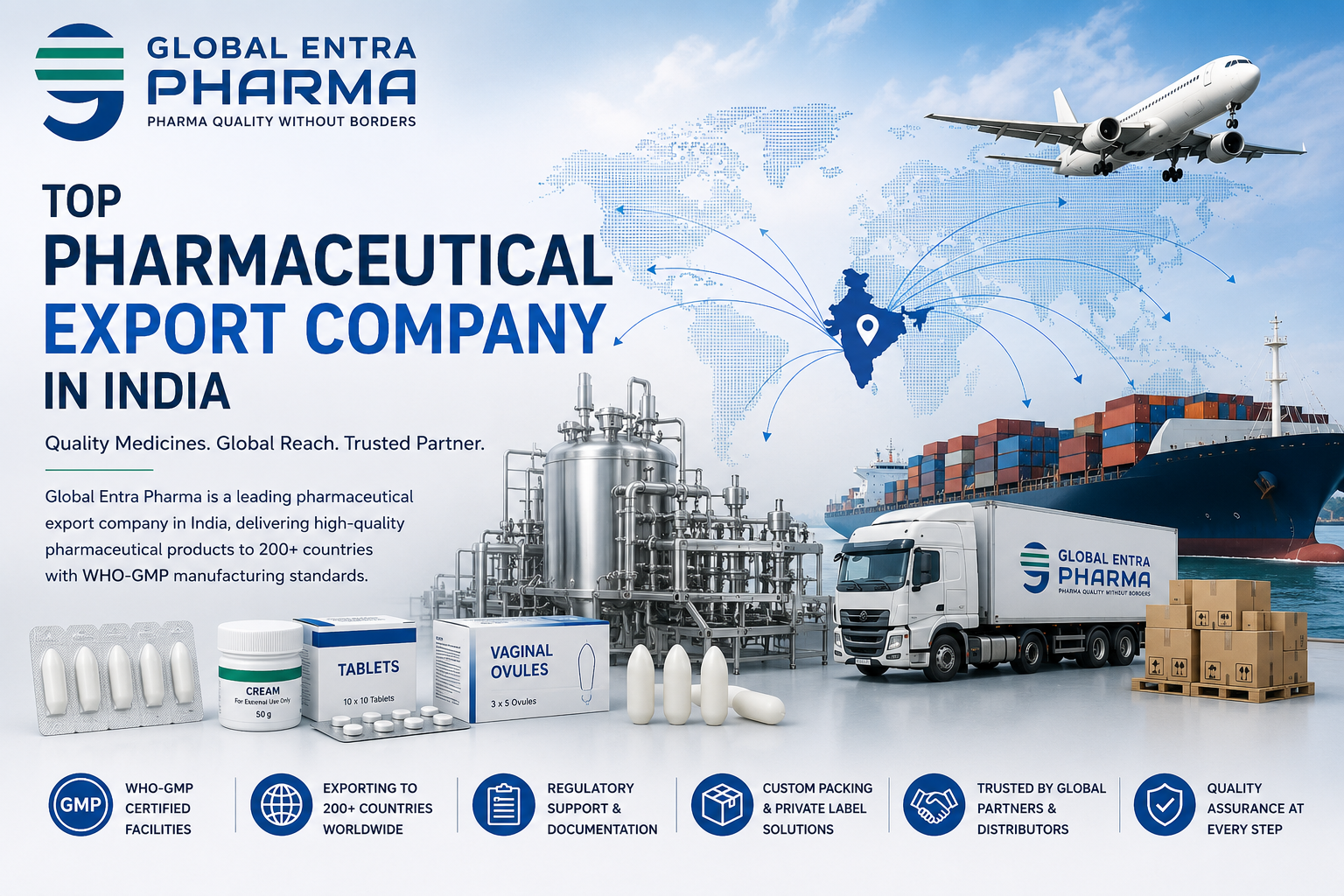
Global Entra Pharma is an Indian pharmaceutical manufacturer offering finished pharmaceutical formulations for international buyers seeking reliable manufacturing, private-label production and contract manufacturing from India.
Pharmaceutical Manufacturing for Djibouti
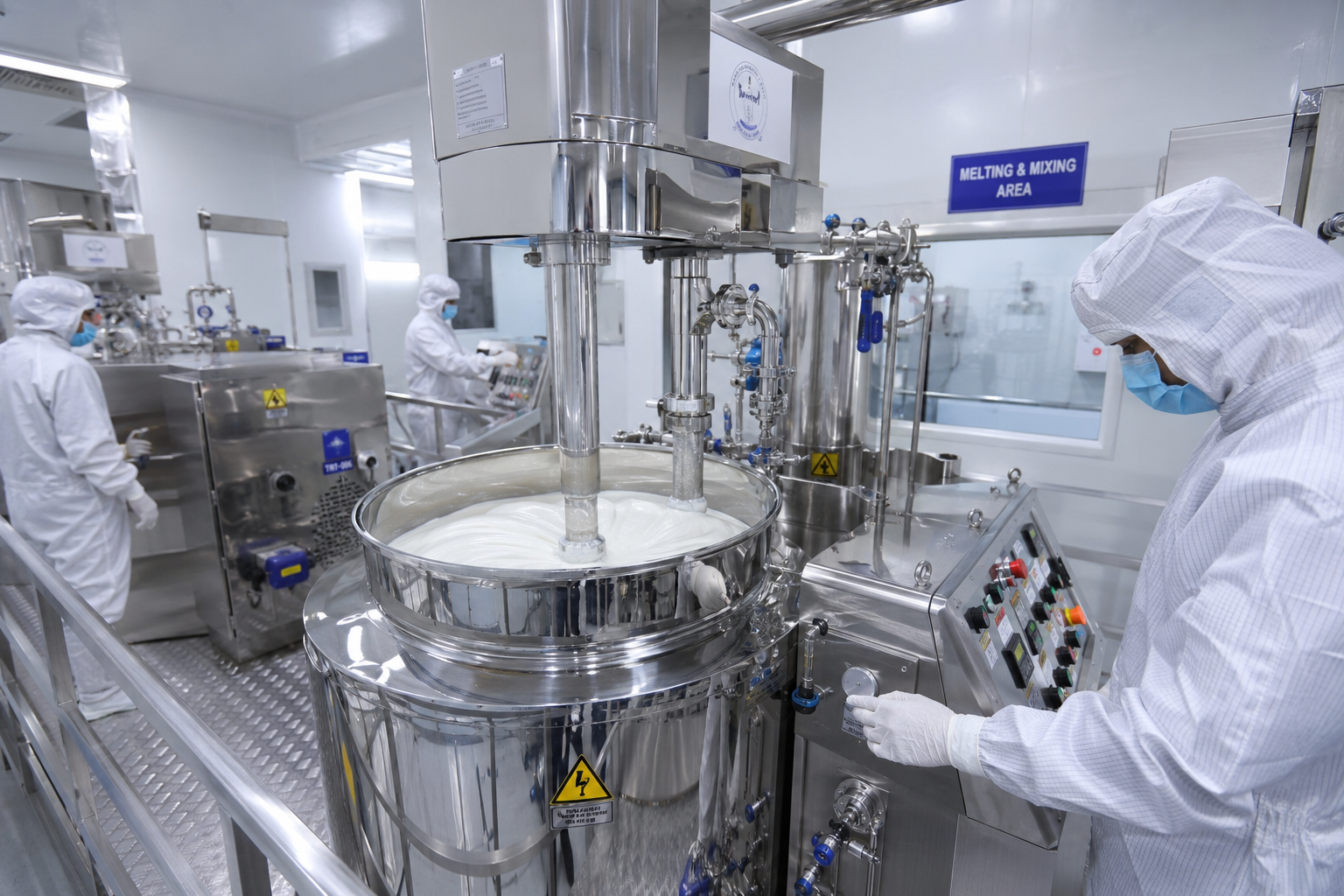
Global Entra Pharma focuses on specialized pharmaceutical dosage forms, particularly semisolid and vaginal formulations. Products can be developed and manufactured according to the agreed composition, specifications, packaging requirements and applicable regulatory requirements of the destination market.
The manufacturing portfolio includes:
-
Pharmaceutical suppositories
-
Vaginal pessaries
-
Vaginal ovules
-
Pharmaceutical creams
-
Pharmaceutical ointments
These dosage forms can support therapeutic categories including women's healthcare, dermatology, anti-infective therapy, pain management and other pharmaceutical applications.
Pharmaceutical Regulatory Framework in Djibouti
The Ministry of Health is responsible for pharmaceutical policy and regulation in Djibouti. The Direction du Médicament, de la Pharmacie et des Laboratoires (DMPL) functions within the Ministry of Health and is identified by WHO as Djibouti's medicines regulatory authority.
Djibouti's pharmaceutical legislation provides for marketing authorization and regulatory control of medicines. The national framework states that medicines distributed in Djibouti require an Autorisation de Mise sur le Marché Djiboutien (AMMD).
Imported medicines are also subject to registration requirements, while pharmaceutical importation is regulated through the competent health authorities.
Pharmaceutical Registration in Djibouti
For pharmaceutical products intended for the Djibouti market, buyers and local pharmaceutical entities should establish the applicable registration pathway with the Ministry of Health and the DMPL before commercial importation.
A regulatory dossier may include, depending on the product:
-
Product registration application
-
Manufacturer details
-
Manufacturing licence
-
GMP documentation
-
Product composition
-
Manufacturing process
-
Finished-product specifications
-
Analytical methods
-
Certificate of Analysis
-
Stability data
-
Packaging specifications
-
Product labels
-
Patient information leaflet or package insert
-
Certificate of Pharmaceutical Product (CPP), where applicable
-
Free Sale Certificate (FSC), where applicable
-
Product samples, where required
Exact requirements can vary according to product category and current Djibouti regulations.
Import Requirements for Pharmaceutical Products
Pharmaceutical imports are regulated by the Djibouti health authorities. The national framework provides for prior authorization of pharmaceutical imports and controls concerning registered products.
The importing pharmaceutical company should therefore ensure that the required authorization, registration and import documentation are completed before shipment.
Typical commercial documentation may include:
-
Commercial invoice
-
Packing list
-
Certificate of Origin
-
Bill of Lading or Air Waybill
-
Certificate of Analysis
-
Product registration/marketing authorization documentation
-
Manufacturing and GMP documents
-
Other documents requested by the competent authorities
Suppositories for Djibouti
Global Entra Pharma manufactures pharmaceutical suppositories for different therapeutic applications and export requirements. Suppository formulations can be produced in different strengths and packaging configurations according to the approved product specification.
This dosage form is particularly suitable for products where rectal or vaginal administration is required.
Pessaries for Djibouti
Vaginal pessaries are an important specialized dosage form for women's healthcare. Global Entra Pharma manufactures pessary formulations with suitable bases, active ingredients and packaging configurations according to product requirements.
Private-label and contract manufacturing options can be considered for pharmaceutical buyers developing products for the Djibouti market.
Vaginal Ovules for Djibouti
Vaginal ovules provide another formulation option for women's healthcare products. Manufacturing can accommodate different active ingredients, formulation bases, strengths and pack configurations depending on the product specification.
The final formulation and presentation can be prepared according to the applicable regulatory and quality requirements.
Pharmaceutical Creams for Djibouti
Pharmaceutical creams are widely used for topical applications in dermatology and other therapeutic areas. Global Entra Pharma manufactures cream formulations in different strengths and pack sizes according to the agreed product specification.
Available options can include private-label manufacturing, customized packaging and bulk pharmaceutical supply.
Pharmaceutical Ointments for Djibouti
Ointments provide a different topical delivery system and can be suitable for products requiring an occlusive semisolid base. Global Entra Pharma manufactures pharmaceutical ointments according to formulation, quality and packaging specifications.
Quality and Documentation
For pharmaceutical exports, appropriate manufacturing and quality documentation is an important part of the supply process. Depending on the product and destination requirements, documentation can include:
-
Manufacturing licence
-
GMP certificate
-
Certificate of Analysis
-
Product specifications
-
Stability documentation
-
Batch manufacturing records
-
Packaging specifications
-
CPP
-
FSC
-
Regulatory dossier
The final documentation package should be confirmed according to the specific Djibouti product registration and import requirements.
Private Label Pharmaceutical Manufacturing
Global Entra Pharma supports private-label pharmaceutical manufacturing for international buyers. Product development can cover formulation specifications, dosage strength, packaging, artwork and documentation requirements.
Private-label manufacturing allows pharmaceutical companies and distributors to develop products under their own approved brand while using an established Indian pharmaceutical manufacturing platform.
Contract Manufacturing from India
Contract manufacturing provides pharmaceutical buyers with access to Indian manufacturing capabilities without establishing their own production facility.
Global Entra Pharma can manufacture selected pharmaceutical formulations according to agreed technical specifications, quality requirements, packaging configurations and regulatory documentation.
Pharmaceutical Export Process to Djibouti
A typical export process can involve:
-
Product and specification selection
-
Confirmation of required strength and quantity
-
Commercial quotation
-
Product and regulatory document review
-
Registration requirements assessment
-
Artwork and packaging approval
-
Manufacturing
-
Quality control and batch release
-
Export documentation
-
Shipment to Djibouti
The exact sequence depends on the product, importer and applicable regulatory requirements.
Why Choose an Indian Pharmaceutical Manufacturer?
India is a major global pharmaceutical manufacturing hub, supplying medicines to markets across Africa, Asia, the Middle East and other regions. The strong pharmaceutical trade between India and Djibouti demonstrates established commercial links between the two markets.
For Djibouti buyers, working directly with an Indian manufacturer can provide access to specialized dosage forms, private-label manufacturing, customized packaging and structured pharmaceutical documentation.
Five Specialized Pharmaceutical Dosage Forms
Global Entra Pharma's specialized manufacturing portfolio includes:
-
Suppositories
-
Pessaries
-
Vaginal ovules
-
Pharmaceutical creams
-
Pharmaceutical ointments
These dosage forms provide manufacturing options across women's healthcare, dermatology, anti-infective and other therapeutic categories.
Frequently Asked Questions
Can pharmaceutical products be exported from India to Djibouti?
Yes. India has an established pharmaceutical trade relationship with Djibouti, with India exporting approximately US$23.17 million of pharmaceutical products to Djibouti in 2025.
Is pharmaceutical product registration required in Djibouti?
Djibouti's pharmaceutical framework provides for marketing authorization of medicines distributed in the country, including an Autorisation de Mise sur le Marché Djiboutien (AMMD).
Who regulates medicines in Djibouti?
The Ministry of Health oversees pharmaceutical policy and regulation, with the Direction du Médicament, de la Pharmacie et des Laboratoires (DMPL) serving as the medicines regulatory authority.
Can Global Entra Pharma manufacture private-label medicines?
Yes. Global Entra Pharma provides private-label and contract manufacturing for selected pharmaceutical dosage forms according to agreed specifications and applicable regulatory requirements.
What documents may be required for pharmaceutical registration?
Depending on the product, documentation may include the manufacturing licence, GMP certificate, product composition, specifications, analytical information, stability data, CoA, CPP, FSC, packaging information and product samples.
Can Global Entra Pharma manufacture customized packaging?
Yes. Packaging configuration, pack size, artwork and labelling can be discussed according to the product specification and regulatory requirements.
Pharmaceutical Export from India to Djibouti
Global Entra Pharma manufactures specialized pharmaceutical formulations for pharmaceutical buyers and distributors seeking products from India. Our focus includes suppositories, pessaries, vaginal ovules, pharmaceutical creams and ointments for African and international markets.
For pharmaceutical export to Djibouti, product registration, import authorization, labelling and documentation should be confirmed according to current local requirements before commercial supply.